Amman Valley: Kestrel Nest Box Project

Following the success of the Pied Flycatcher nest box project, INCC looked at other threatened species that could potentially be supported in the valley.

One such species that could be benefitted by the efforts of community volunteers was the Kestrel (Falco tinnunculus).

The Kestrel is a small and familiar bird of prey that was once common throughout much of Wales.

The UK Kestrel population has declined significantly in recent decades. This has been caused by a number of factors including habitat loss, persecution and competition for nest sites.

Kestrels are one of the most identifiable birds of prey in Wales.

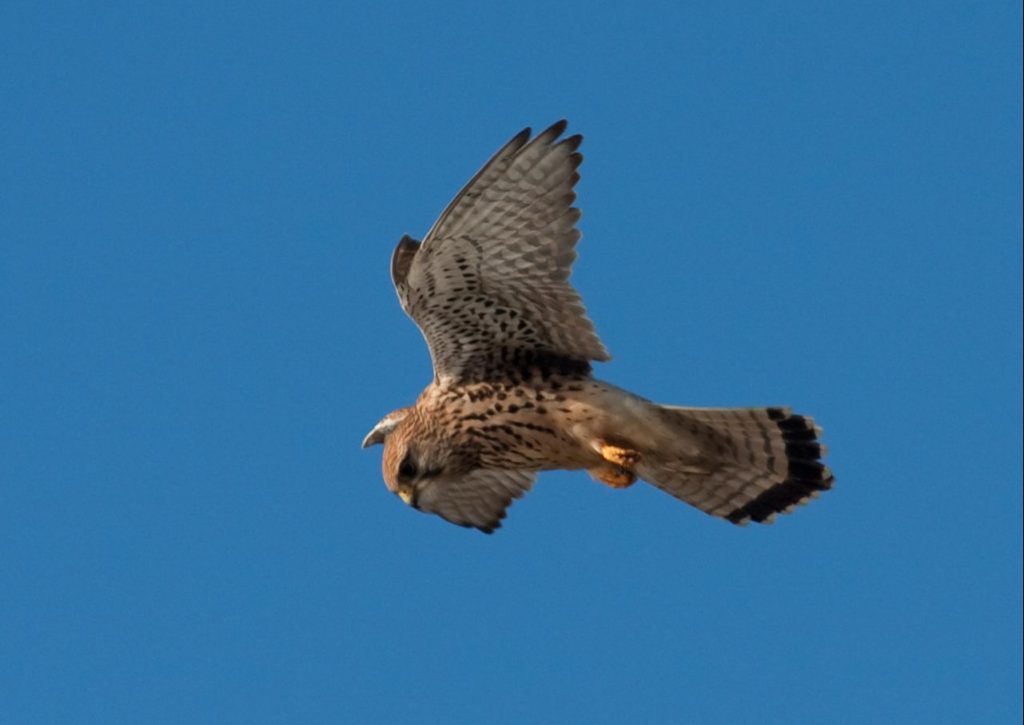
Male Kestrel hovering over grassland verge

They can occasionally be seen hovering over grassland habitats hunting for their small mammal prey. Surprisingly, no confirmed records of breeding Kestrel have been made from the Amman Valley in recent years. This is despite a number of suitable grassland and heathland habitats for foraging.

Kestrel foraging habitat in the Amman Valley

INCC have been able to make a total of 20 Kestrel nest boxes for the Amman Valley. This has been achieved through working in partnership with local landowners and community volunteers and supported by the National Lottery Awards for All programme.

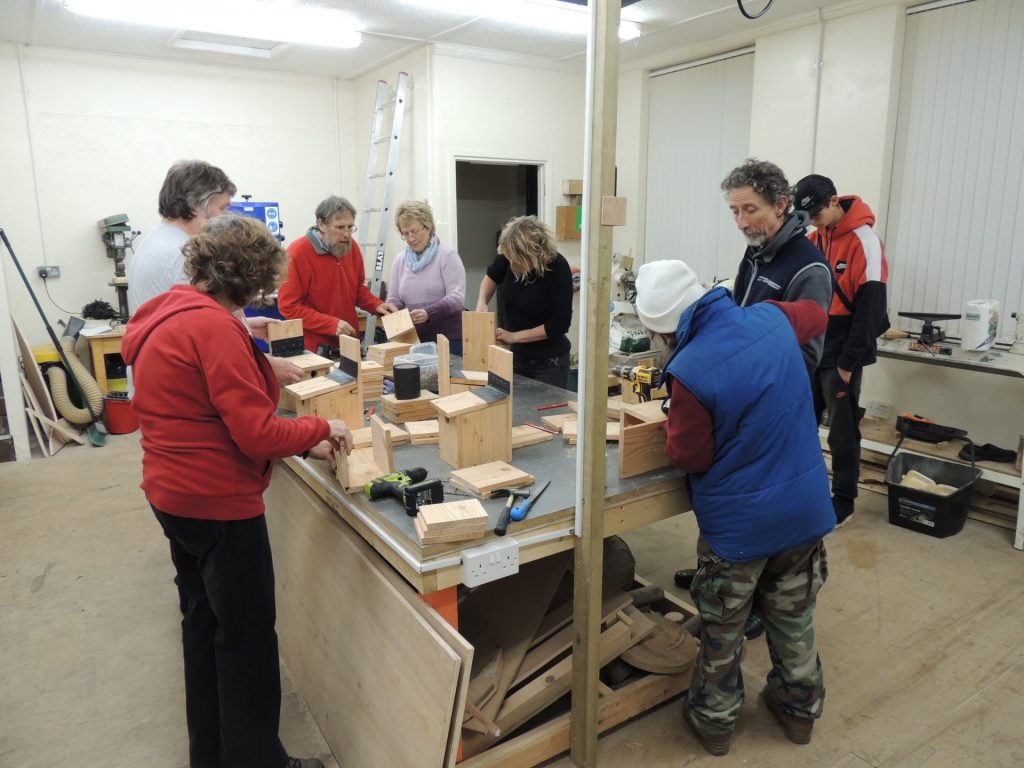
Community volunteers making Kestrel nest boxes

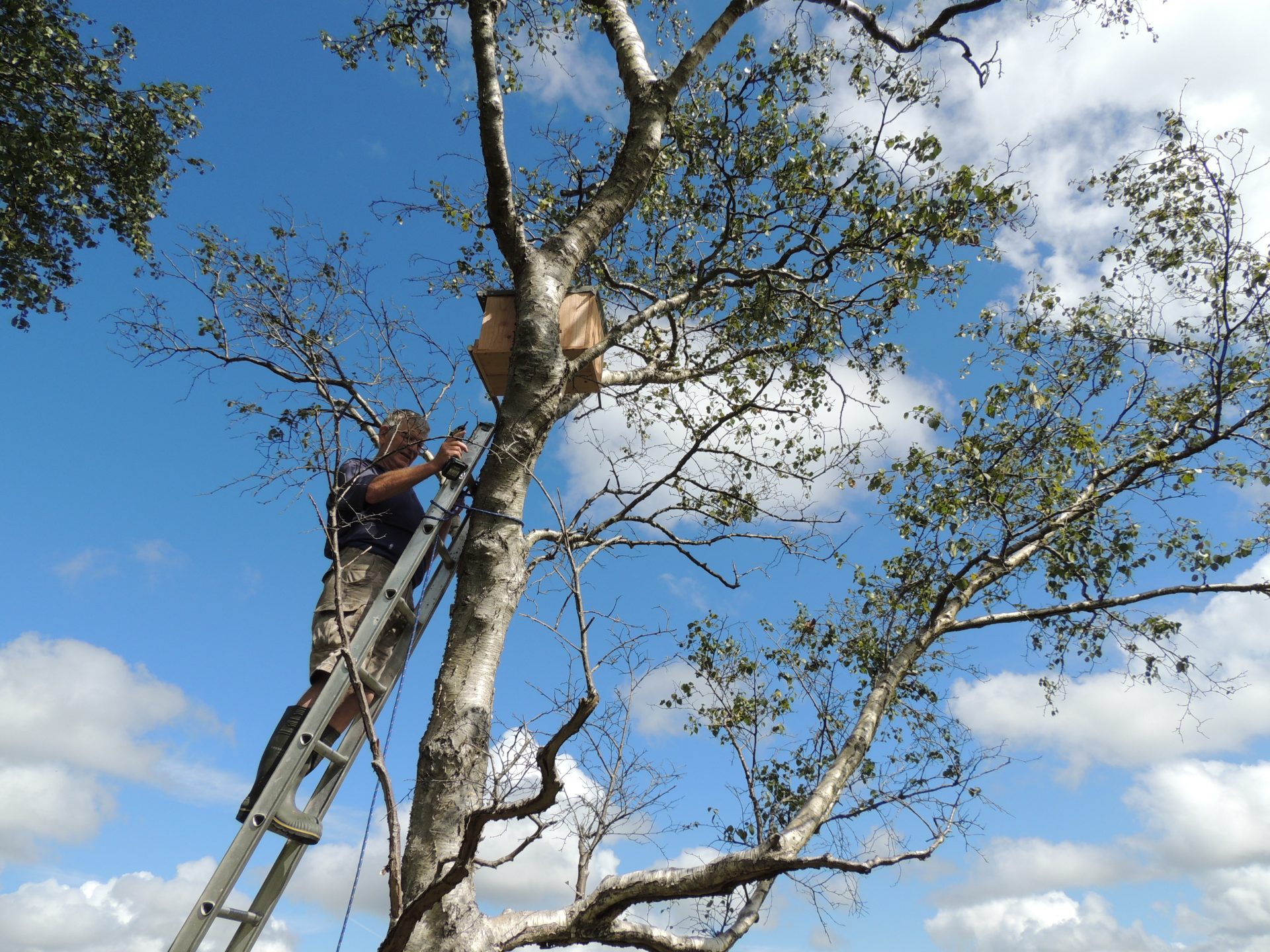
In the last 4 years they have all been installed in the landscape by expert volunteers from the Gower Ringing Society, who will also help monitor them in future. Boxes are fixed to trees overlooking suitable foraging grasslands in safe and quiet locations in the valley.

Kestrels will nest in a variety of places, including disused crow’s nests and ledges on cliffs and buildings and in hollow trees. As they do not make their own nest as such, Kestrels will happily occupy suitably located nest boxes. They may use the same nest box for many years.

The nest boxes, which are made locally with the help of volunteers, will increase the available number of nesting sites for the Kestrel with the aim of increasing the bird’s breeding success and overall population size. There are no records of Kestrels nesting in the Amman Valley, so the boxes could make a real difference.
Amman Valley: Community Nature Conservation

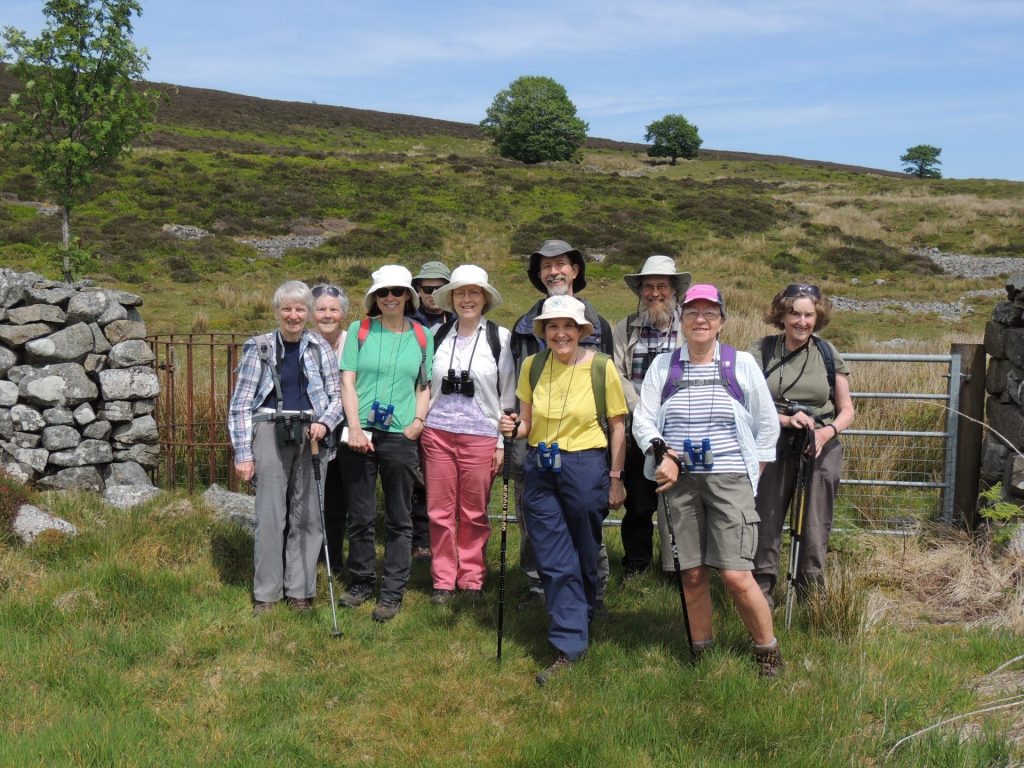
Volunteers on a wildlife walk in the Amman Valley

At the heart of INCC’s work in the Amman Valley is community nature conservation.

Local people of all ages and abilities are able to have a direct role in helping conserve wildlife in their landscape. INCC have been working with the residents of the Valley for over 5 years to enthuse and involve local people with the wildlife around them.

Over the last few years community events have been organised with the support of the Bannau Brycheiniog National Park, Cwmaman Town Council and National Lottery Awards for All. The events are designed to highlight the ecological importance of the Amman Valley and inspired local communities to get involved in nature conservation.

The Amman Valley in spring

Members of the community have been invaluable in helping build numerous wildlife boxes for Dormice, Bats, Hedgehogs, and birds including Pied Flycatchers and Kestrels. Local schoolchildren have become Hedgehog champions in the Valley and recently decorated a number of Hedgehog boxes, one of which has been put in the school grounds, and others have been distributed around the Valley.

Guided wildlife walks for local communities have been run every year since 2019. Many local residents were able to see the nest boxes that they helped make being used by Pied Flycatchers and other woodland birds. The wildlife walks were designed to inspire people about local wildlife and encompassed a variety of Amman Valley habitats. Habitats in the valley include upland heath, bog, woodland, marsh, meadow, scrub and river and stream.

A spring walk around the Amman Valley in 2023 (Photo (c) Ellyn Baker)

Other walks have focused on bats, the dawn chorus, wildflowers and more. The walks, coupled with volunteer days making woodland bird nest boxes, provided a stepping stone for people of all ages to explore the valley’s wildlife and to take a greater interest in its conservation.

Listening out for Cuckoos on a dawn chorus walk in 2023 (Photo (c) Carla Williams)

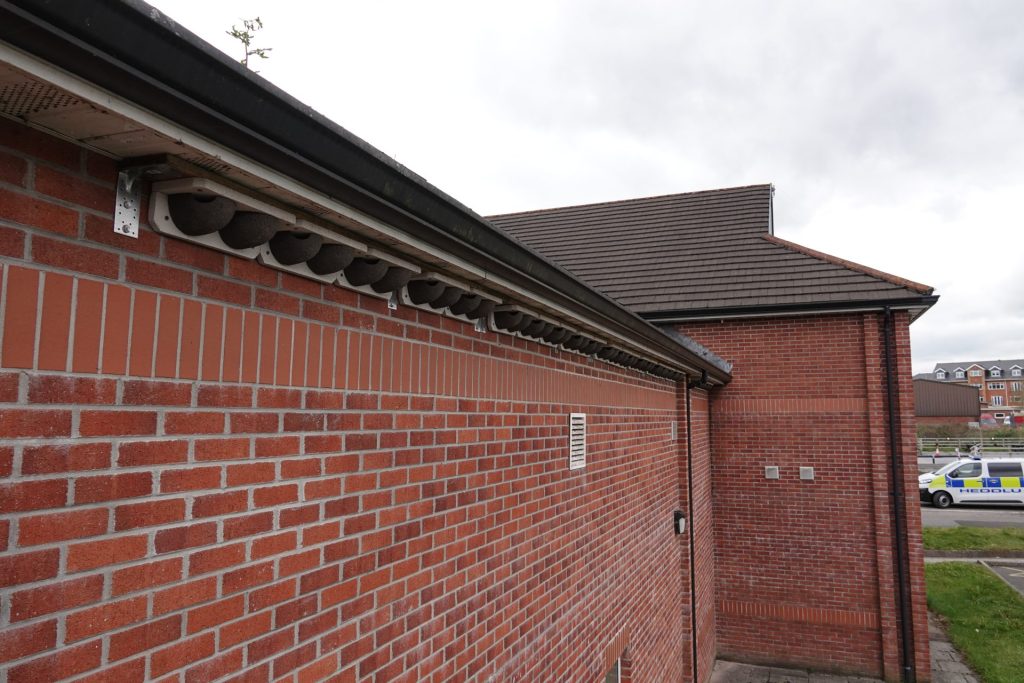
The success of the original community nature conservation project led to the development of a number of other species and habitat conservation projects. In 2024 INCC was able to employ someone to run a Hedgehog and House Martin project in the Valley. As part of this, dozens of Hedgehog boxes were given out to residents, and specialist House Martin nest cups have been installed on buildings in areas good for the species. These sites have included the police station in Ammanford and the local rugby club – thanks to everyone who has agreed to host one (or more!).

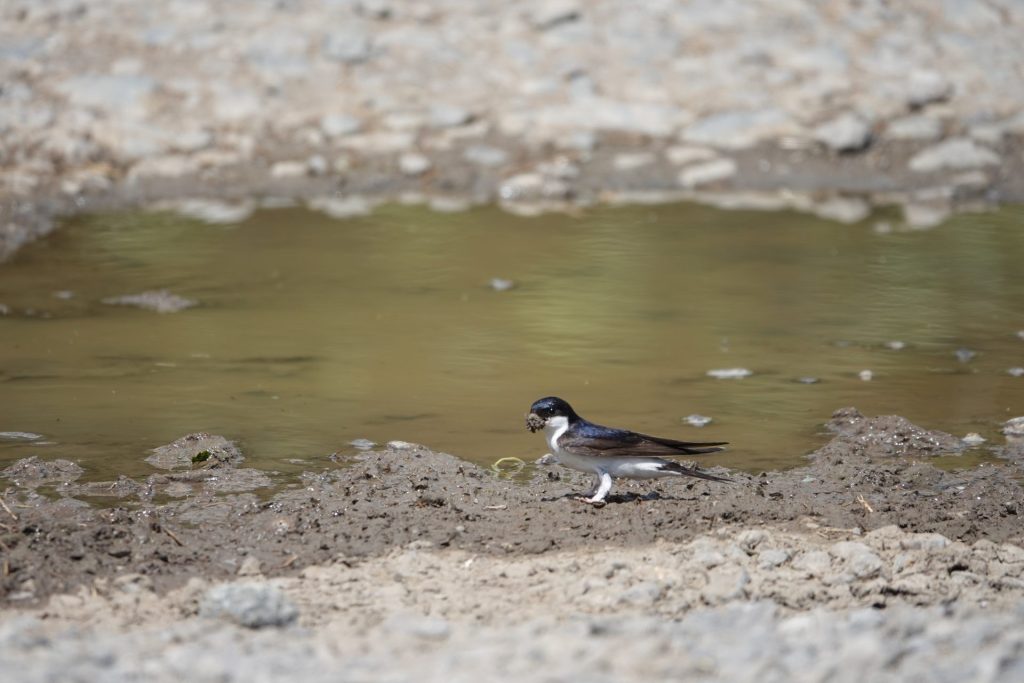
House Martin in the Amman Valley collecting mud for its nest
House Martin nest cups installed at Ammanford Police Station

Early in 2020, INCC was able to create a community polytunnel dedicated to growing wildflowers and promoting sustainable horticulture and wildlife gardening. With support from local partners and communities, INCC was able to develop and launch the ‘Joint Vision for Nature Conservation in the Amman Valley’. The document sets the foundation for all future community nature conservation activities in the valley. Since then, INCC has developed a large wildlife garden with a bigger polytunnel to enhance the work we are able to do in the Valley.

Amman Valley: Pied Flycatcher Monitoring

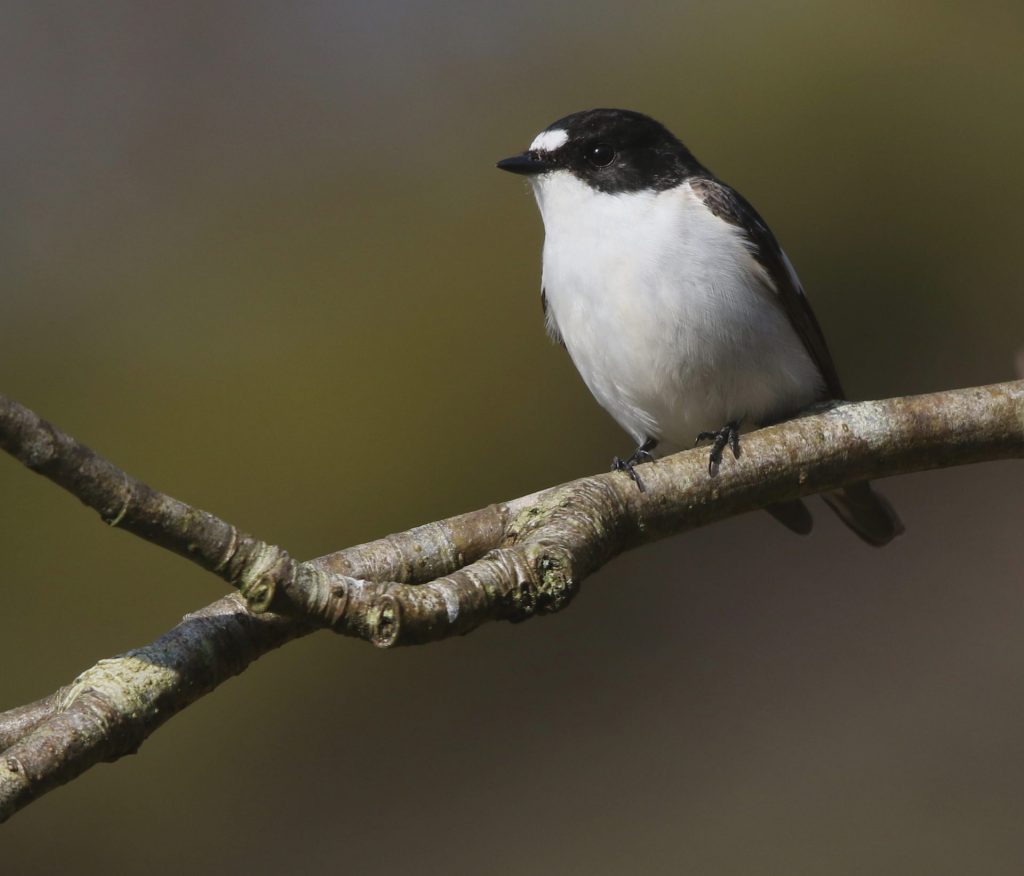
Male-Pied-Flycatcher: photo Jeff Slocombe

INCC has been building and installing Pied Flycatcher nest boxes in the Amman Valley throughout a number of different woodlands.

This is a part of INCC’s commitment to recognising the Amman Valley as a Landscape of Importance for Nature Conservation (LINC).

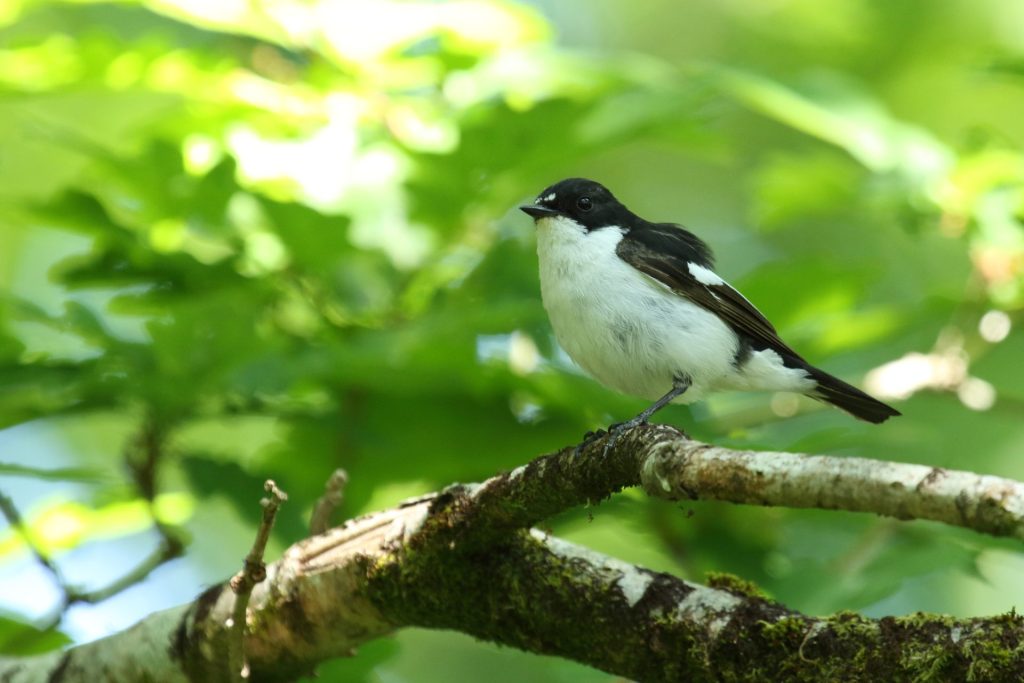
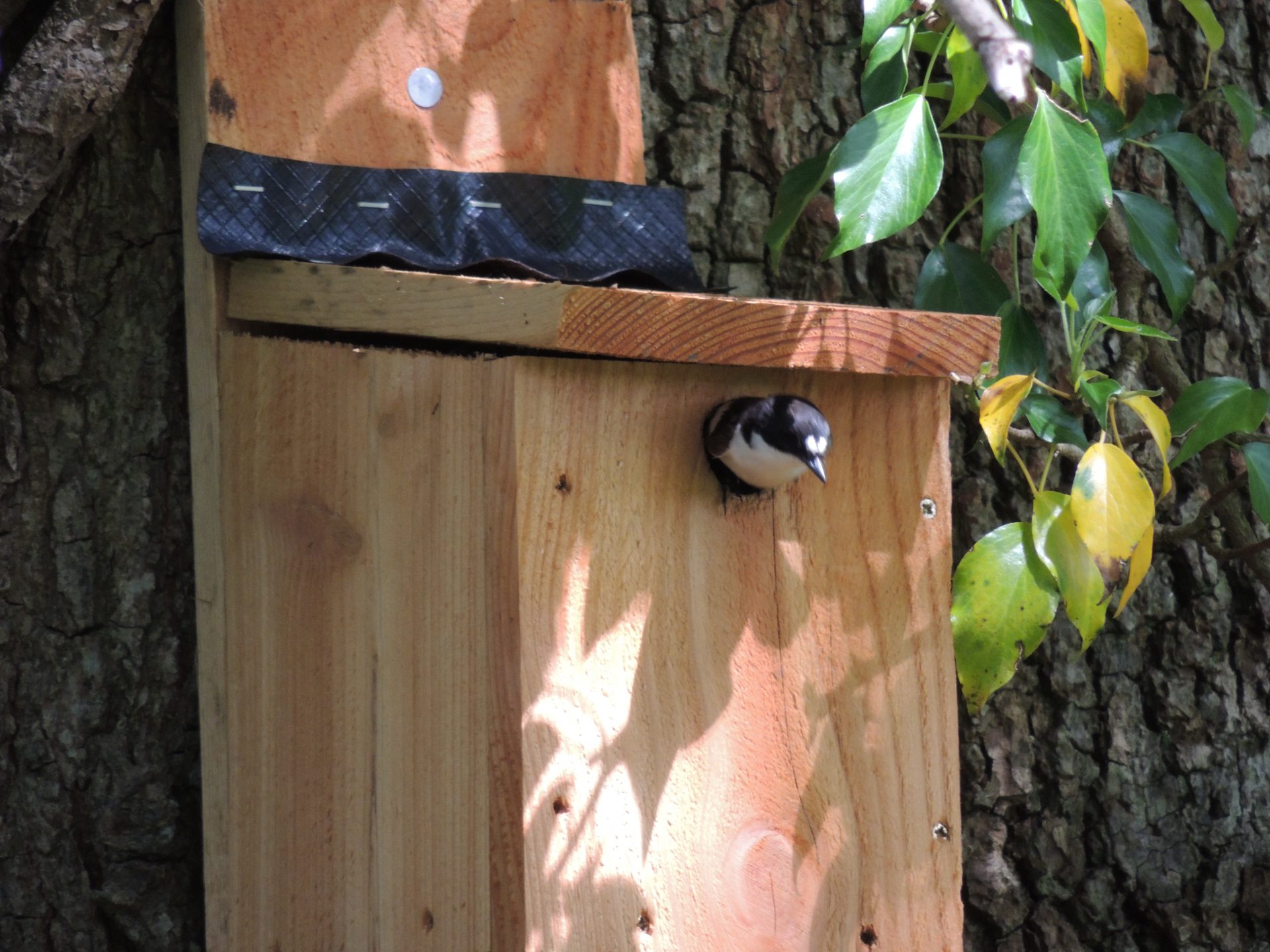
Male Pied Flycatcher in the Amman Valley

The Pied Flycatcher (Ficedula hypoleuca) is an iconic Welsh bird no larger than a Siskin (Spinus spinus), weighing between 10g-15g. They are summer migrants to our shores and make an incredible journey all the way from West Africa to breed in our mature oak woodlands.

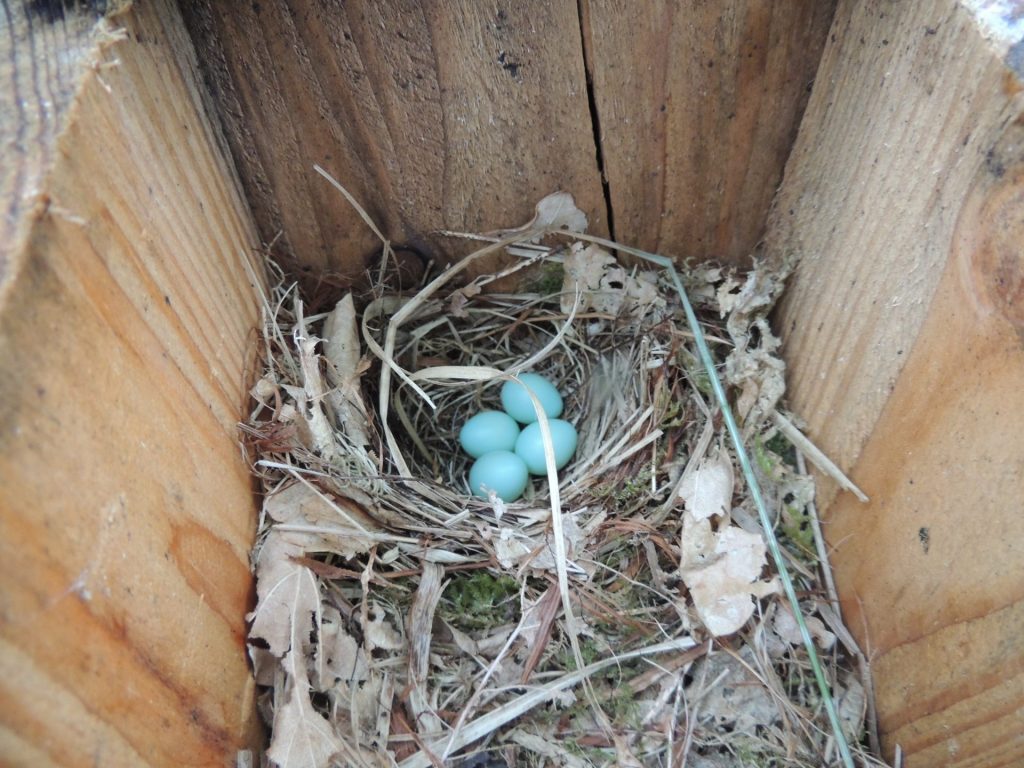
Pied Flycatchers arrive in the Amman Valley toward the end of April and begin to establish territories and find a mate. They often nest in natural holes in trees but readily take to nest boxes. Once paired the birds make their cup shaped nest of Honeysuckle bark and moss and lay between 5-9 pale blue eggs. By the end of summer, the Pied Flycatchers will have reared their young and ready to make their return journey back to West Africa.

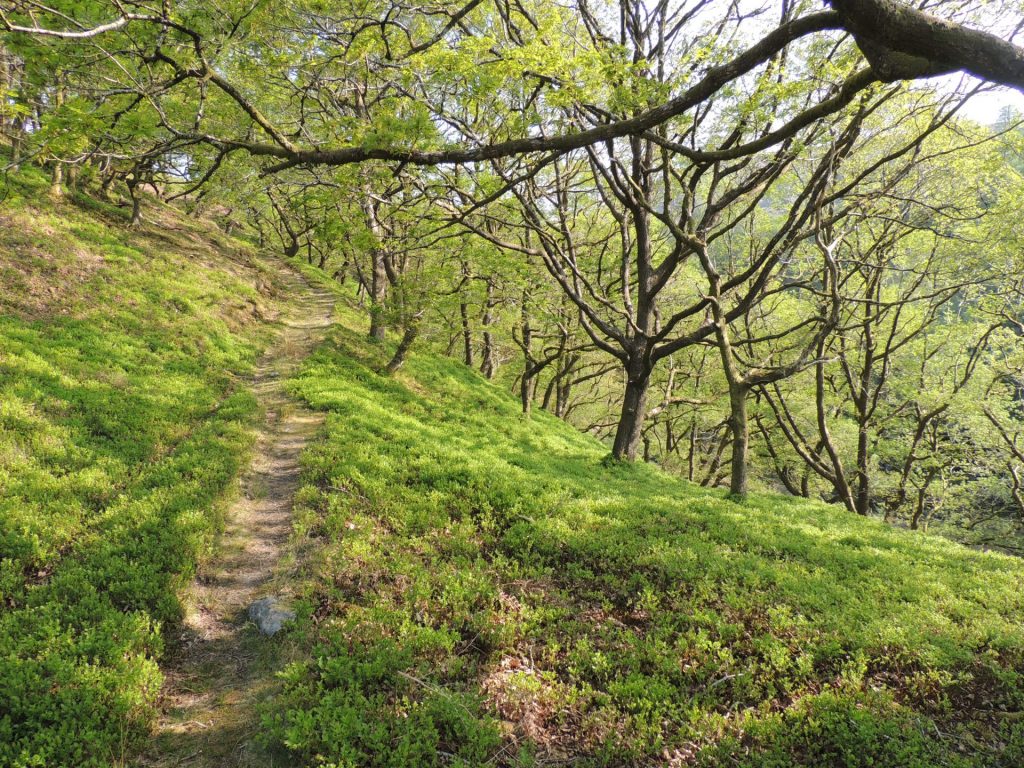
Pied Flycatcher habitat in upland oak woodland in the Amman Valley

Despite their iconic status, the population of Pied Flycatcher in the UK has declined by over 50% since 1995 (Baillie et al. 2014). They are now on the Red List of the UK Birds of Conservation Concern (Eaton et al. 2015).

The decline is not yet fully understood and may be due to a number of integrated factors including habitat loss, migration and climate change. Climate change causes a mismatch in peak food abundance with chick fledging (BTO 2019). This means that Pied Flycatchers are often too late to make the most of high numbers of insect prey needed to raise their chicks.

In spring 2019, with support from the Bannau Brycheiniog National Park, local landowners and volunteers, INCC installed a total of 145 nest boxes. The purpose-built wooden boxes were built by volunteers and installed in five different woodlands throughout the Amman Valley.

Community volunteers from the Amman Valley making Pied Flycatcher nest boxes

Prior to the project, no biological records for Pied Flycatcher existed for the Amman Valley. Monitoring at two of the five woodlands within the valley in 2019 revealed a total of seven occupied nest boxes.

Pied Flycatcher nest in Amman Valley nest box

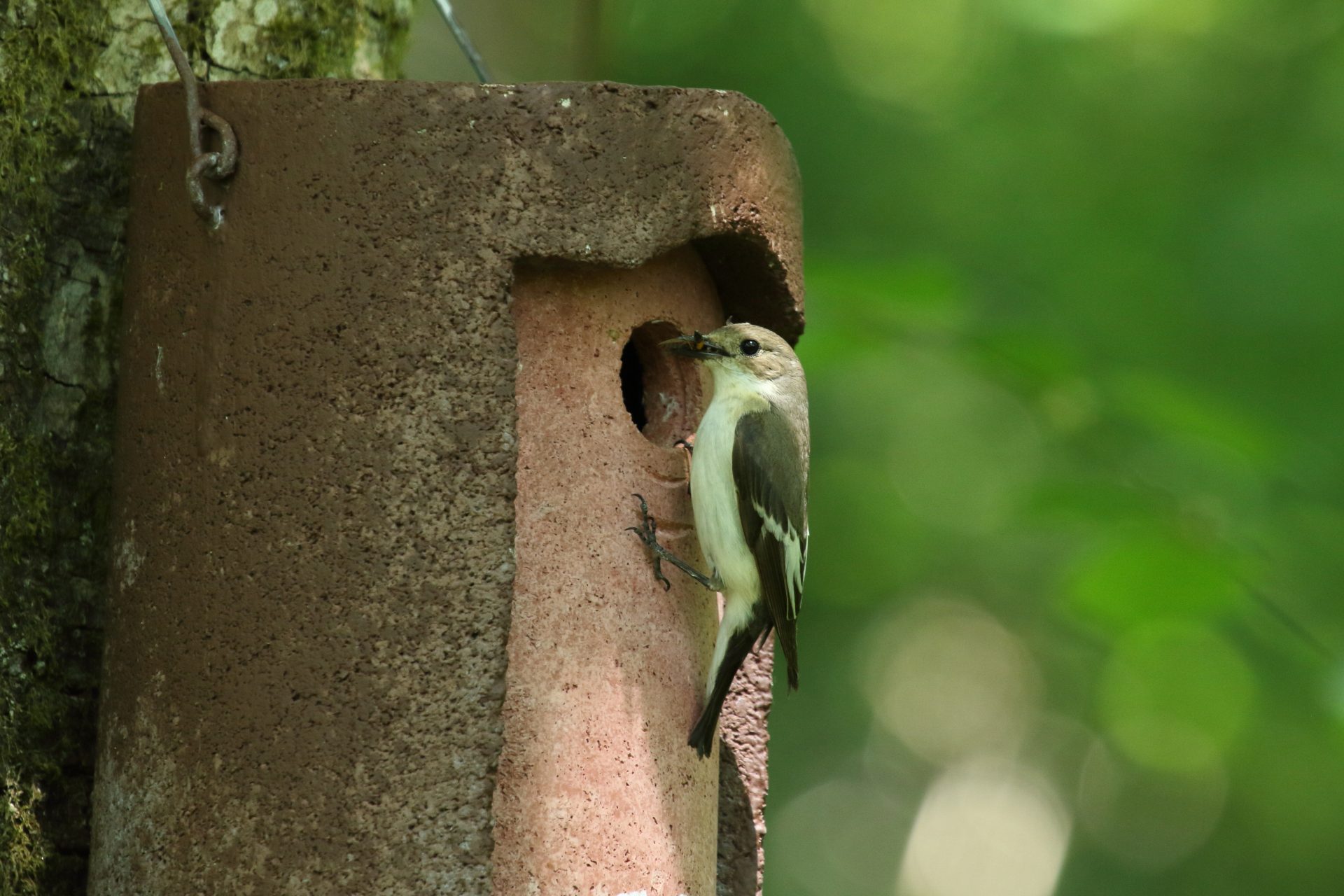
Wooden boxes offer a more natural cavity for birds but unfortunately they only last a few years before rotting. Since 2021 we have instead been putting out hardwearing woodcrete boxes, these are made from a mixture of concrete and wood shavings. So far over 500 boxes have been put out in the Valley and have been checked annually since.

Female Pied Flycatcher on woodcrete box

None of the wooden boxes were checked in 2023 but at least 25 of the woodcrete boxes were used by Pied Flycatchers, a great result. In addition, the boxes were used by Redstarts (Phoenicurus phoenicurus), Nuthatches (Sitta europaea), Great Tits (Parus major), Blue Tits (Cyanistes caeruleus) and a Wren (Troglodytes troglodytes).

It wasn’t just birds that we found in the boxes either; Woodmice (Apodemus sylvatica), Pipistrelle bats (Pipistrellus sp.) and Hornets (Vespa crabro) were seen, along with lots and lots of earwigs…

INCC will continue to monitor the nest boxes and Pied Flycatcher population over the coming years. This is only possible because of the ongoing commitment from local landowners and volunteers from the community. Monitoring and research will hopefully contribute to the national conservation knowledge for the species. Part of this research, starting in 2025 involves ringing Pied Flycatcher chicks (under a licence from the British Trust for Ornithology). This will help us learn where the Pied Flycatchers go when they migrate, as well as how faithful they are to the Valley on their return.

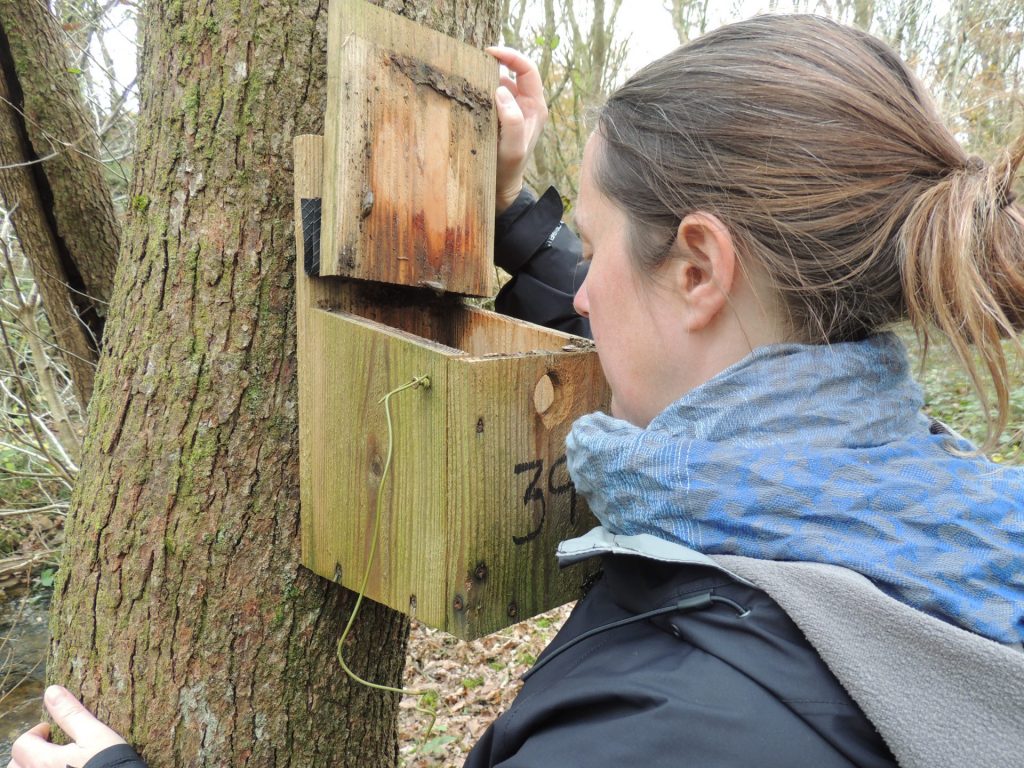
Nest box monitoring in the Amman Valley

Beaver Reintroduction Wales

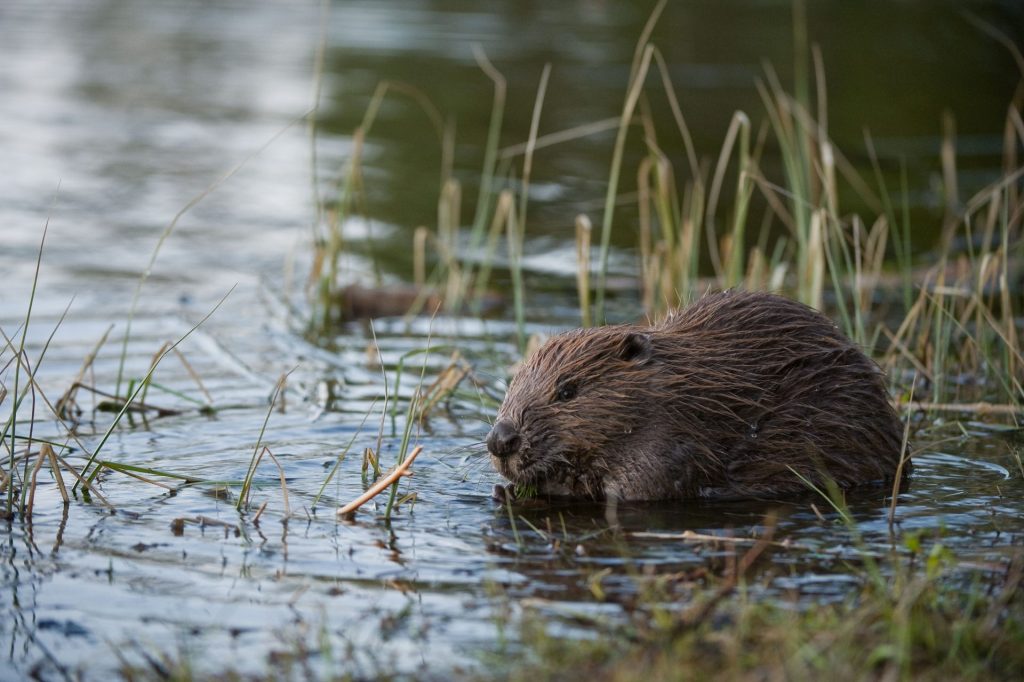
Beaver. Allard Martinius

In the past few decades there have been over 200 beaver reintroduction projects to 25 European countries.

After their near extinction in the late 1800s, beavers have now been returned to all countries within the former range – with the exception of Portugal and Wales.

INCC has been working in partnership with North Wales Wildlife Trust and the Welsh Beaver Project (WBP). as part of their license application to NRW for the reintroduction of Eurasian beaver (Castor fiber) to Wales.

Attempts to reintroduce beavers back to Wales have been ongoing since 2005. A number of catchments in Wales have been identified and assessed for their habitat availability and potential to support this keystone species.

Beaver on log: photo Allard Martinius

Most recently, the Dyfi catchment in Mid Wales has been identified as a potentially suitable location for a pilot beaver reintroduction.

To help the application, INCC has undertaken a detailed preliminary assessment of the Dyfi Catchment to see how suitable it would be to support beavers.

As with many catchments throughout Wales, the assessment (Parry 2019) identified numerous stretches of waterbody with sufficient habitat to support beavers.

Beaver dam in Scotland where beavers are now a protected species